
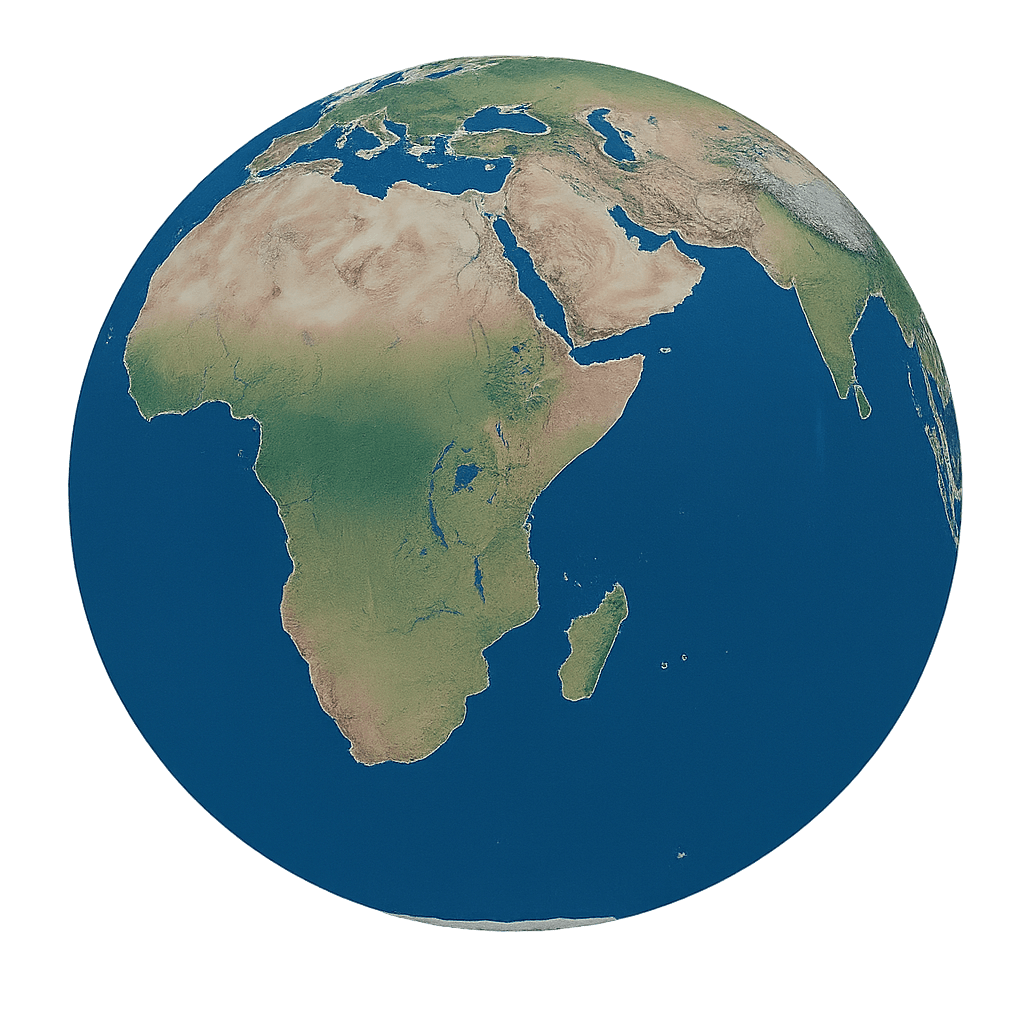
Syria’s Economic Reset: Investments, Reforms and a New Strategic Direction
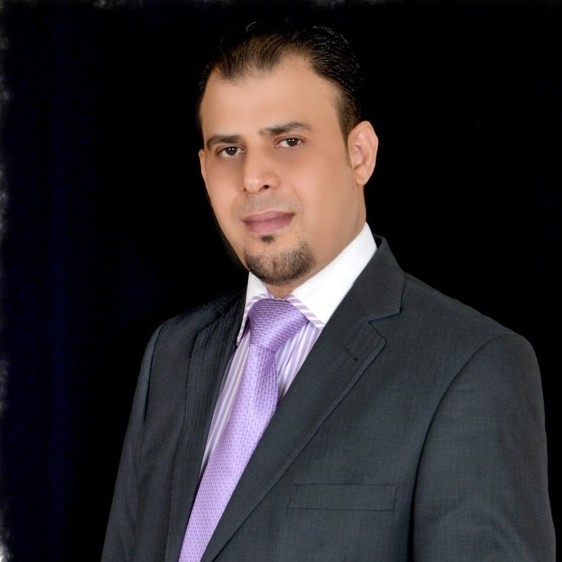
Dr. Kahtan Al Saloom, a prominent expert in international economics and investment
Syria’s Economic Reset: Investments, Reforms and a New Strategic Direction
RIYADH, RIYADH, SAUDI ARABIA, January 29, 2026 /EINPresswire.com/ -- In the wake of profound political change following the fall of the previous regime in late 2024, Syria is entering a critical economic transition. The lifting of key international sanctions and the emergence of a new governing authority have opened the door to economic reform, regional cooperation, and renewed foreign investment. This shift represents a potential turning point for a country whose economy has been severely weakened by more than a decade of conflict and isolation.
Government Economic Orientation After the Fall of the Previous Regime
Since the political transition, the Syrian government has announced a new economic orientation centered on openness, reconstruction, and private sector led growth. Authorities have emphasized rebuilding state institutions, reforming investment laws, and restoring confidence in the national economy after years of centralization and international isolation.
A major step in this direction has been the government’s effort to re-establish links with the global financial system, including reconnecting Syria’s banking sector to international payment mechanisms. This move, following the partial lifting of international economic sanctions, is widely viewed as essential for restoring trade flows, facilitating foreign investment, and stabilizing monetary policy.
The government has also launched legal and regulatory reforms aimed at transitioning toward a market-oriented economy. These reforms include amendments to investment legislation, the establishment of economic coordination bodies, and measures to reduce bureaucracy. Despite these initiatives, international institutions note that Syria’s economy remains fragile, with low productivity, damaged infrastructure, and limited institutional capacity.
Investment Opportunities for International and MENA Companies
Reconstruction needs across Syria have created significant investment opportunities, particularly for companies from the Middle East and North Africa (MENA) region. Priority sectors include infrastructure, energy, transportation, real estate, tourism, telecommunications, and industrial manufacturing.
In 2025, the Syrian government announced the signing of multibillion dollar investment agreements with regional partners, particularly from the Gulf. These projects include airport rehabilitation, housing developments, public transport networks, and tourism infrastructure. Such investments are seen as early indicators of growing confidence in Syria’s post-conflict recovery, despite persistent political and security risks.
Tourism has emerged as a key sector for early recovery, driven by Syria’s cultural heritage and historical sites. Investments have been directed toward hotel development, restoration of historic districts, and coastal tourism projects. For international companies willing to enter high-risk but high-potential markets, Syria represents an untapped frontier with long-term growth prospects tied to reconstruction and regional trade integration.
Facilitating Foreign Investment and Its Economic Impact
To attract foreign capital, Syrian authorities have introduced a package of incentives for international investors. These include simplified licensing procedures, tax incentives in priority sectors, guarantees for profit repatriation, and legal protections against expropriation. The government has also pledged to establish “one stop shop” mechanisms to streamline investment approvals and reduce administrative barriers.
Economists argue that these measures could have a significant impact on the Syrian economy if effectively implemented. Foreign direct investment (FDI) can contribute not only to capital, but also technology transfer, job creation, and integration into regional and global value chains. Given Syria’s limited domestic savings and extensive reconstruction needs, FDI is considered a critical driver of economic recovery.
However, international data show that Syria’s historical FDI inflows have been extremely low, reflecting years of sanctions, political instability, and weak governance. Reversing this trend will require sustained reforms, legal certainty, and improvements in transparency and institutional effectiveness.
Regional Support and Political Stability
Regional political and economic support has played an important role in shaping Syria’s post-transition environment. Several Arab countries, particularly in the Gulf, have increased diplomatic engagement with Damascus and expressed support for stability and reconstruction efforts.
This regional backing is viewed as a stabilizing factor that enhances investor confidence and reduces political risk. Beyond direct investments, regional countries have supported Syria through diplomatic normalization, economic cooperation forums, and commitments to infrastructure and development projects. Analysts note that political stability remains a prerequisite for long-term economic recovery and meaningful private-sector participation.
Recent Figures and Insights from International Institutions
According to the World Bank, Syria’s economy remains among the weakest in the region, with GDP growth projected at around 1% in 2025, reflecting a slow and fragile recovery. The Bank estimates that total reconstruction needs exceed $200 billion, highlighting the scale of investment required to restore infrastructure, housing, and basic services.
World Bank data also indicate that foreign direct investment inflows into Syria have historically accounted for a negligible share of GDP, underscoring the depth of economic isolation during the conflict years. Meanwhile, the International Monetary Fund (IMF) resumed engagement with Syria in 2025 through a technical staff visit, marking its first formal assessment in more than a decade. The IMF emphasized the importance of macroeconomic stability, fiscal discipline, and a strong regulatory framework to support private sector growth.
Expert Commentary: Dr. Kahtan Al Saloom on the Role of Foreign Investment – Expanded Analysis
Dr. Kahtan Al Saloom, a prominent expert in international economics and investment, emphasizes that foreign direct investment (FDI) is not merely a financial tool but a catalyst for comprehensive national recovery in post-conflict settings such as Syria.
In his detailed assessment, Dr. Al Saloom elaborates:
"Foreign direct investment is essential not only for financing reconstruction but also for transferring knowledge, improving productivity, and rebuilding confidence in the economy. Beyond capital injection, FDI introduces advanced technologies, managerial expertise, and global market linkages that are often absent in recovering economies."
He draws instructive parallels with Vietnam and Rwanda, both of which achieved remarkable turnarounds after periods of conflict and isolation. Vietnam, for instance, leveraged FDI to become a manufacturing and export hub, particularly in electronics and textiles, by implementing the Doi Moi economic reforms which prioritized open trade, regulatory clarity, and infrastructure development. Similarly, Rwanda focused on strategic sectors such as ICT, tourism, and agro-processing, attracting investment through rigorous anti-corruption measures, streamlined business registration, and targeted incentives.
For Syria to follow a comparable trajectory, Dr. Al Saloom underscores the necessity of foundational reforms:
"Investment can raise living standards and stimulate local economies, but only if accompanied by transparency, institutional reform, and long-term policy consistency. Syria must prioritize the establishment of a predictable legal framework, protection of investor rights, and alignment with international arbitration norms to mitigate perceived risks."
He further notes that sector-specific targeting—such as energy, telecommunications, agriculture, and light manufacturing—could generate early wins in job creation and export growth. "A phased approach, beginning with relatively stable regions and pilot economic zones, could demonstrate feasibility and build momentum," he suggests.
Sources:
• World Bank – Syria Economic Monitoring Reports and World Development Indicators
• International Monetary Fund (IMF) – IMF Staff Visit and Country Engagement Reports on Syria
• Reuters – Coverage on Syria’s economy, sanctions relief, and investment agreements
• Associated Press (AP) – Reports on regional investment deals and reconstruction initiatives
• Financial Times – Analysis of Syria’s economic reintegration and regional engagement
AL ANNI
TONE Communications
email us here
Legal Disclaimer:
EIN Presswire provides this news content "as is" without warranty of any kind. We do not accept any responsibility or liability for the accuracy, content, images, videos, licenses, completeness, legality, or reliability of the information contained in this article. If you have any complaints or copyright issues related to this article, kindly contact the author above.
